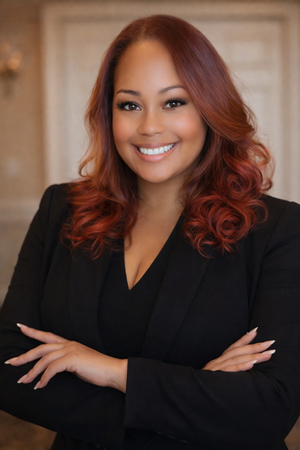
Cheyenne, 23, shared parts of her life story with me.
She is biracial, with a white mother and a black father. She doesn't know much about her father. Growing up, her mother struggled with substance abuse on and off, and because she was a biracial child, she often felt unwanted by parts of her family. As a result, she spent much of her childhood moving in and out of foster care, experiencing instability, abuse, and neglect.
At 13 years old, she and some friends made choices that led to legal trouble and time in juvenile detention. Looking back, she sees those decisions as part of a much larger cycle of trauma, abandonment, and survival.
During our conversation, Cheyenne shared her belief that biracial girls, particularly those with white mothers and black fathers, face unique challenges that are often overlooked. She described feeling caught between worlds sometimes not fully accepted by family, sometimes misunderstood by society, and often judged based on assumptions about her appearance.
In her words:
"People see light skin, good hair, or light eyes and assume life is easier for us. They assume we have privileges that erase our struggles. But many of us grew up having to grow up fast. Some of us weren't loved or protected by the people who were supposed to care for us. Some of us ended up in foster care, where we faced more trauma instead of safety."
Cheyenne spoke about being placed in homes where she did not feel safe, feeling overlooked by the systems that were supposed to protect her, and running away as a young teenager. She described how vulnerable that made her to exploitation and abuse by adults.
Her experience has led her to ask a difficult question:
Do biracial girls—especially those with white mothers and black fathers—face disadvantages that are different from those experienced by black girls?
She is not suggesting that black girls do not face hardship, discrimination, or trauma. Instead, she wonders whether the specific challenges of identity, family rejection, foster care involvement, and feeling caught between racial groups create a different set of obstacles that are not always acknowledged.
Cheyenne's question is not about comparing pain or deciding who has it worse. It is about understanding whether the unique experiences of biracial girls are being heard, recognized, and addressed alongside the experiences of Black girls and other young women who face adversity.